
Buy peptides online USA, Bacteriostatic water for peptides, Dihexa peptide for sale, High purity peptides, Legit peptide supplier USA, Peptide company USA, Peptides for sale USA, Premium research peptides, Research peptides for sale, Research peptides USA, Wholesale peptides USA
How Research Peptides Are Stored
May
How Research Peptides Are Stored
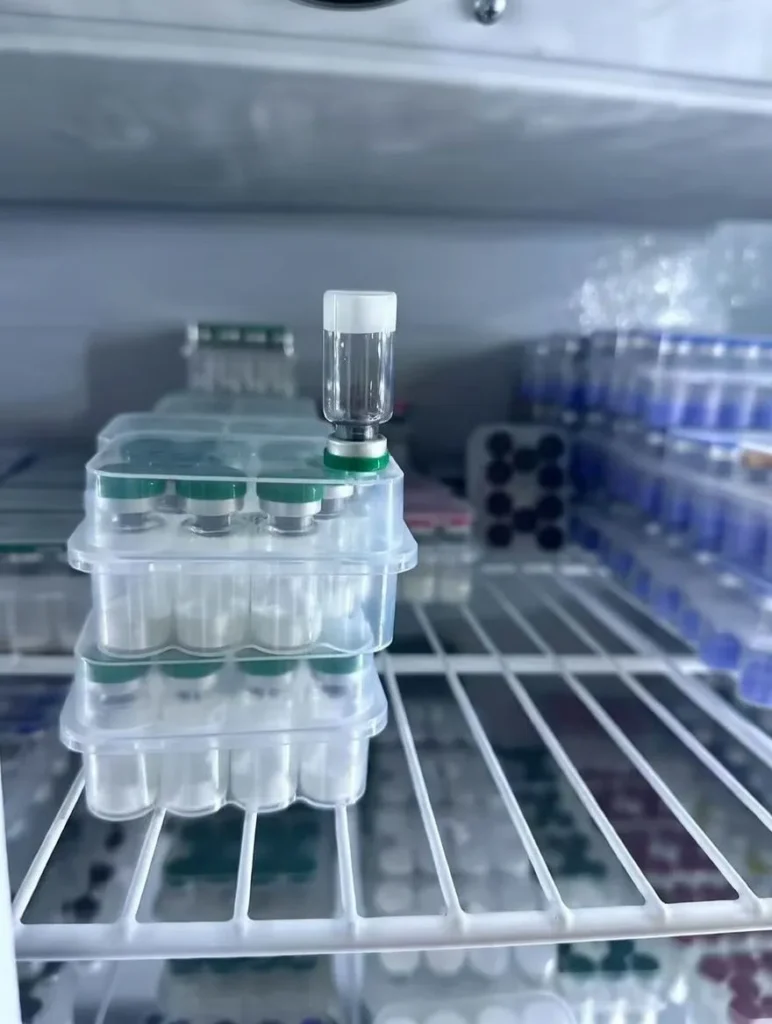
Proper storage is one of the most important aspects of maintaining the quality and consistency of research peptides. Researchers handling laboratory compounds must understand how research peptides are stored to help preserve peptide stability and support reliable research conditions.
Research peptides are sensitive compounds that can be affected by temperature, moisture, light exposure, and improper handling. Whether working with lyophilized peptides or reconstituted compounds, proper storage practices help researchers maintain product integrity during laboratory use.
At MJ Peptides, researchers can access premium research peptides and laboratory compounds designed strictly for scientific and laboratory research purposes only.
Why Proper Peptide Storage Matters
Research peptides are commonly utilized in controlled laboratory environments where consistency and stability are essential. Improper storage may affect:
- Peptide stability
- Research consistency
- Compound integrity
- Laboratory handling quality
- Long-term storage performance
Professional storage practices help researchers protect sensitive compounds during scientific analysis and handling.
Understanding Lyophilized Research Peptides
Many research peptides are supplied in lyophilized form, also known as freeze-dried powder. This preparation method helps improve stability during shipping and storage.
Lyophilized peptides are commonly preferred because they:
- Support longer storage periods
- Reduce moisture exposure
- Improve shipping stability
- Simplify laboratory handling
Researchers commonly purchase lyophilized compounds through trusted suppliers such as MJ Peptides.
Recommended Storage Conditions for Research Peptides
1. Store Peptides in Cool Temperatures
Temperature control plays a major role in peptide storage. Many research compounds are commonly stored in refrigeration or low-temperature laboratory environments depending on research requirements.
Researchers should avoid:
- Excessive heat exposure
- Temperature fluctuations
- Leaving compounds at room temperature for long periods
Consistent storage conditions help maintain compound stability.
2. Protect Peptides from Moisture
Moisture exposure may impact peptide quality and stability. Researchers often keep compounds sealed in dry laboratory conditions until handling is required.
Best practices include:
- Keeping vials tightly sealed
- Avoiding humid environments
- Limiting unnecessary vial opening
Proper moisture control supports long-term storage quality.
3. Avoid Direct Light Exposure
Many laboratory compounds are stored away from direct sunlight and strong lighting conditions.
Researchers commonly:
- Store peptides in dark environments
- Use protective laboratory containers
- Minimize prolonged light exposure
Controlled storage environments help improve stability during research use.
4. Handle Reconstituted Peptides Carefully
Some researchers use bacteriostatic water during laboratory reconstitution processes involving lyophilized compounds.
Once reconstituted, researchers often:
- Store products in controlled laboratory conditions
- Limit repeated temperature changes
- Use clean laboratory handling procedures
Explore laboratory essentials at:
MJ Peptides Shop
Common Laboratory Storage Supplies
Researchers often utilize:
- Laboratory storage containers
- Refrigerated storage systems
- Bacteriostatic water
- Protective vial packaging
- Controlled handling equipment
Professional storage preparation supports better laboratory organization and compound handling.
Why Researchers Buy Premium Research Peptides Online
Researchers purchasing peptides online typically look for suppliers offering:
- Secure packaging
- Fast shipping
- Research-use transparency
- Professional handling
- Product consistency
Reliable suppliers help researchers maintain confidence in product handling and storage standards.
Why Researchers Choose MJ Peptides
Premium Research Compounds
MJ Peptides focuses on supplying high-quality research peptides and laboratory compounds designed for scientific research environments.
Professional Packaging
Researchers value secure packaging methods that support proper storage and transportation conditions.
Fast USA Shipping
Efficient shipping helps reduce unnecessary handling delays during transport.
Growing Research Community Recognition
MJ Peptides continues gaining recognition among online research communities for professionalism and dependable service.
Common Peptide Storage Mistakes to Avoid
Researchers should avoid:
- Excessive heat exposure
- Frequent thawing and refreezing
- Leaving vials unsealed
- Storing peptides in humid conditions
- Improper handling practices
Following consistent storage procedures helps support research quality and compound integrity.
Understanding Research Use Only Products
Research peptides supplied through professional suppliers are labeled strictly for:
- Laboratory research
- Scientific analysis
- Educational research environments
Products available through MJ Peptides are intended strictly for scientific and laboratory research purposes only.
Scientific Resources for Peptide Research
Researchers seeking additional educational information may review:
These resources provide valuable scientific information related to molecular compounds and laboratory studies.
Frequently Asked Questions
How are research peptides stored?
Research peptides are commonly stored in cool, dry, and controlled laboratory environments away from moisture and direct light exposure.
What are lyophilized peptides?
Lyophilized peptides are freeze-dried compounds commonly utilized for improved laboratory storage and handling stability.
Why is temperature important for peptide storage?
Temperature consistency helps support peptide stability and reduce unnecessary compound degradation during storage.
What is bacteriostatic water used for?
Bacteriostatic water is commonly utilized during laboratory reconstitution processes involving lyophilized research compounds.
Are research peptides intended for human use?
No. Products available through MJ Peptides are labeled strictly for scientific and laboratory research purposes only.
Understanding how research peptides are stored is essential for maintaining proper laboratory handling conditions and supporting research consistency. Temperature control, moisture protection, and professional handling practices all contribute to better storage outcomes for sensitive laboratory compounds.
MJ Peptides continues providing premium research peptides and laboratory compounds trusted by growing online research communities across the USA.
Browse premium research peptides and laboratory essentials today from a trusted research peptide supplier focused on quality, professionalism, and secure ordering.
